What to Check Before Booking a Desert ATV Ride
Booking a desert ATV ride is simple in principle, but the details make a real difference. A short ride can feel very different depending on the terrain, the pace, the group size and the safety setup. Before paying, it helps to look past the headline offer and confirm what the day actually involves.
The aim is not to overthink the outing. It is to avoid mismatches, such as arriving without the right clothing, choosing a route that is too demanding or assuming certain equipment is included when it is not. A few careful checks before booking can save time and make the experience far more comfortable.
Confirm the riding area and route
Start with the terrain. Desert riding can mean open sand, firmer tracks, dunes or a mix of all three. Sand feels soft and slow at first, while firmer ground allows more speed and sharper turns. If the route includes dunes, ask whether it is suitable for beginners or mainly used by experienced riders.
It is also worth asking how long the riding portion lasts, separate from transport, briefing and photo stops. Some listings advertise the full outing duration, while the actual time on a vehicle may be shorter. Knowing the split helps Judge whether the pace suits your energy level and schedule.
If you are comparing options such as ATV Dubai Desert with other desert activities, focus on the route description rather than the name alone. The best choice is usually the one that matches your confidence, not the one with the boldest wording.
Check who can ride
Age and eligibility rules vary by vehicle type and operator. Some activities are designed for adults, while others may allow younger riders on smaller machines or as passengers. Do not assume that a child can join just because the activity is described as family friendly.
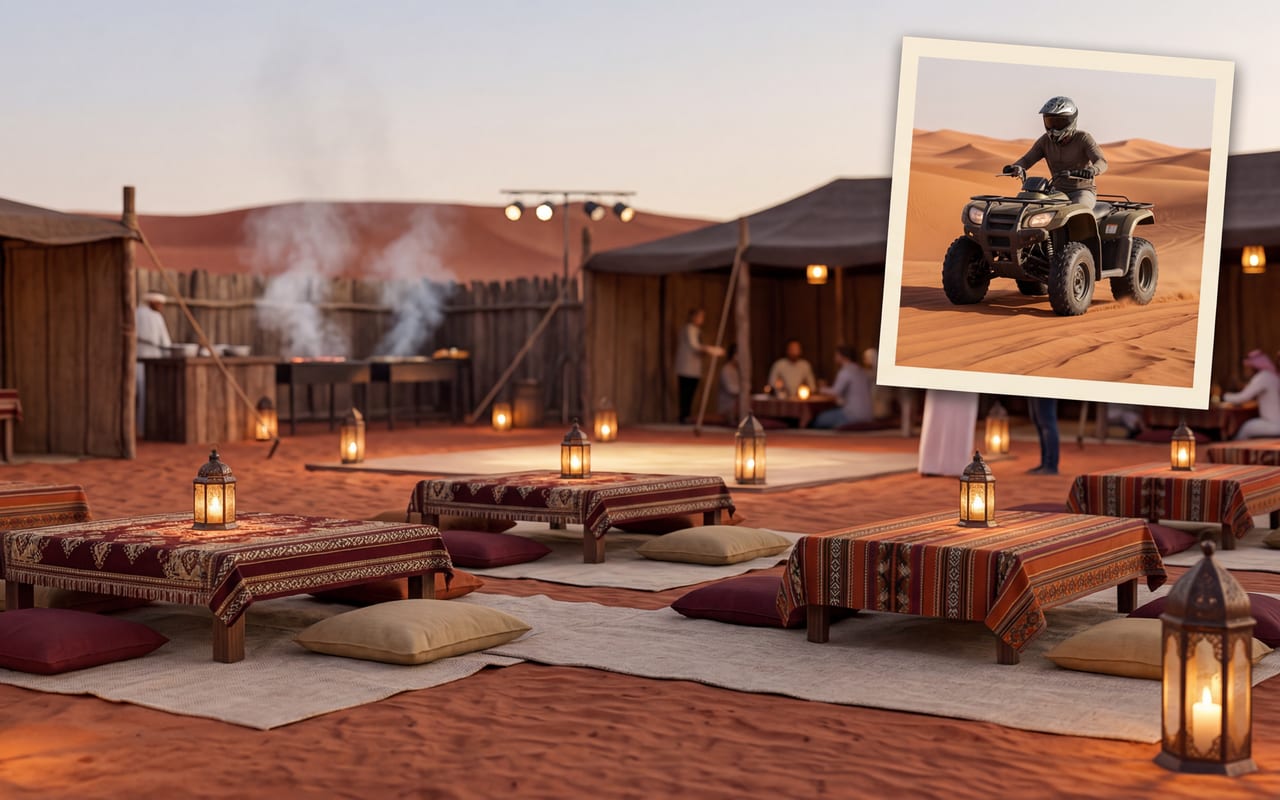
Ask about passenger rules too. In many cases, each rider needs their own vehicle, and carrying a passenger depends on the machine design and the operator policy. If two people want to share, confirm that in advance rather than on the day.
Weight limits, height requirements and licensing expectations can also matter. A useful question is whether prior riding experience is needed. For a first ride, look for an option that includes a briefing and a controlled start before riders head onto open ground.
Review the safety setup
Safety details are worth checking carefully, especially in a desert setting where heat, sand and changing light affect visibility. Ask what safety gear is supplied and what riders should bring. Helmets are a basic point to confirm, along with gloves, goggles or eye protection where appropriate.
Find out how the group is managed. A clear briefing, hand signals, a lead rider and a tail rider can make a group run more smoothly. If everyone is left to decide their own pace, the ride may feel less predictable, particularly for newer riders.
Ask what happens if someone stops, falls behind or needs help. The answer does not need to be technical, but it should be clear. A sensible setup explains where riders should gather, how to signal a problem and when the group waits.
Medical and emergency arrangements are another practical point. You do not need a long briefing, but it is reasonable to ask whether there is a first aid kit on site and how help is arranged if needed. In remote-looking terrain, clear communication matters.
Understand the vehicle type
ATV is a broad term, and the machine you use changes the feel of the ride. Different vehicles may have different power levels, seating positions and control layouts. A smaller, lower powered machine can be easier for a beginner, while a more powerful one may suit riders who already understand throttle control and balance.
Ask whether the vehicle is automatic or manual, and whether previous riders can choose a lower power setting. If you are used to one type of machine, say so when booking. A good match reduces the chance of feeling overwhelmed or bored.
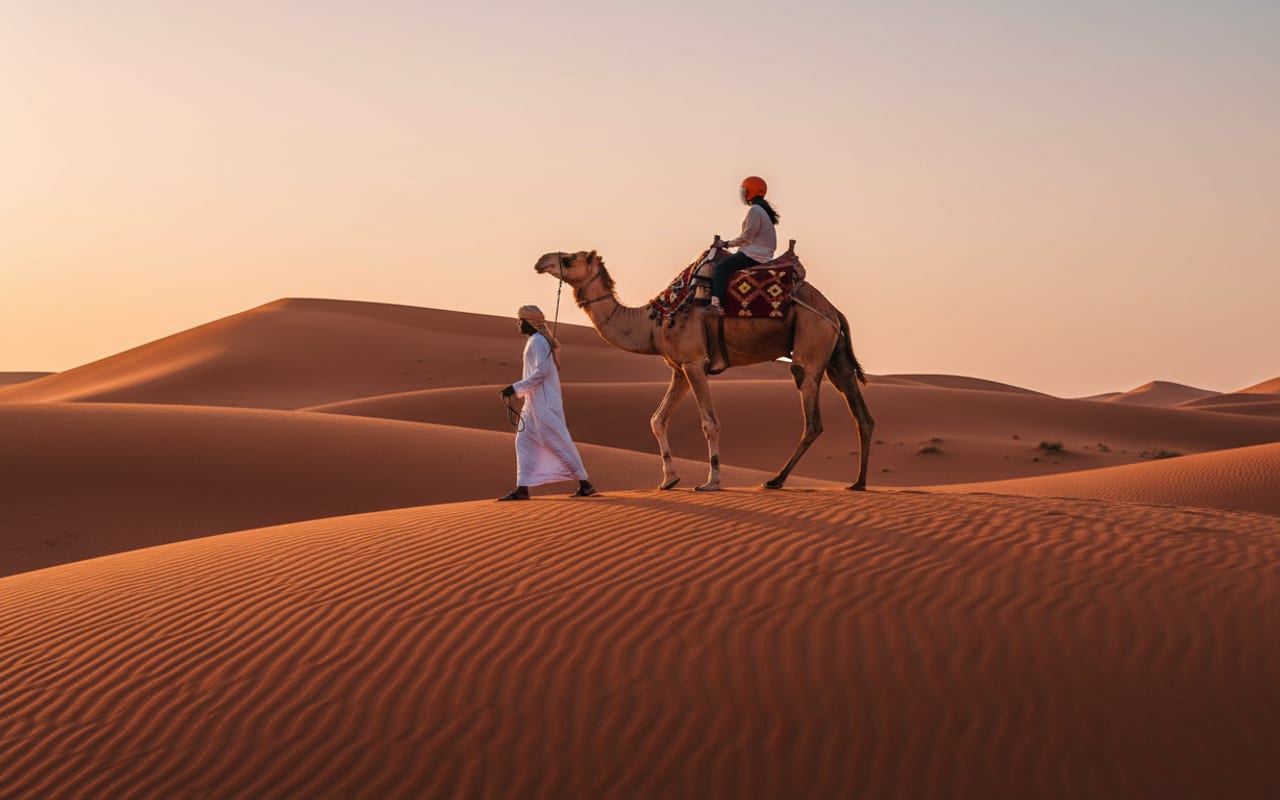
It is also sensible to ask how the vehicle is prepared between rides. Basic checks should cover tyres, brakes, steering and fuel or charge level. If a machine looks poorly maintained, that is a reason to raise concerns before heading out.
What to check before you confirm
- Meeting point and timing: Confirm where the day begins, what time you should arrive and whether transport is part of the booking. Desert locations can be confusing to reach without clear directions.
- What is included: Check whether the price covers safety gear, drinks, photos, transport or entry charges. Treat anything not written down as unconfirmed.
- Cancellation and changes: Read the terms for weather disruption, late arrival and missed appointments. Clear rules are better than vague promises.
- Group size: Ask whether rides run with a small group or a larger crowd. A smaller group often feels calmer, while a larger one may move at a more fixed pace.
- Experience level: Be honest about your riding background. Beginners benefit from patient instruction, and experienced riders may want a route with more variety.
Think about clothing and personal items
Desert conditions can be hot, dusty and bright. Wear closed toe shoes rather than sandals, and choose clothing that protects your legs and arms from sun and brush. Long, lightweight layers are often more comfortable than very short clothing, even when the weather looks mild.
Bring water, especially if you will spend time waiting between activities. Sunglasses can help with glare, but they should fit securely. If you wear prescription glasses, check whether they work with the eye protection provided.
Keep loose items secure. Scarves, wide sleeves, dangling jewellery and loose straps can catch or distract while riding. Phones and cameras should be carried in a closed pocket or a secure bag, not held in the hand during the ride.
Ask about photos and extras
Many desert outings include photo opportunities, but the details vary. Ask whether photos are taken during the ride, at a staged stop or after the activity. If you want a specific style, such as action shots or family images, check whether that is part of the booking.
Extras can also change the shape of the day. Camel rides, sandboarding, dinner stops and quad biking may be offered alongside other activities. These can be enjoyable, but they may reduce the time available for riding. Decide what matters most before adding extras.
For a focused outing, a shorter activity with clear timing may suit better than a packed package. For a full afternoon, a wider set of activities can feel better value. The right balance depends on how you like to spend your time.
Read the wording carefully
Booking pages and offers often use broad language. Words like adventure, premium or unlimited can sound appealing but mean little on their own. Look for specifics: duration, vehicle type, route, gear, meeting details and rider requirements.
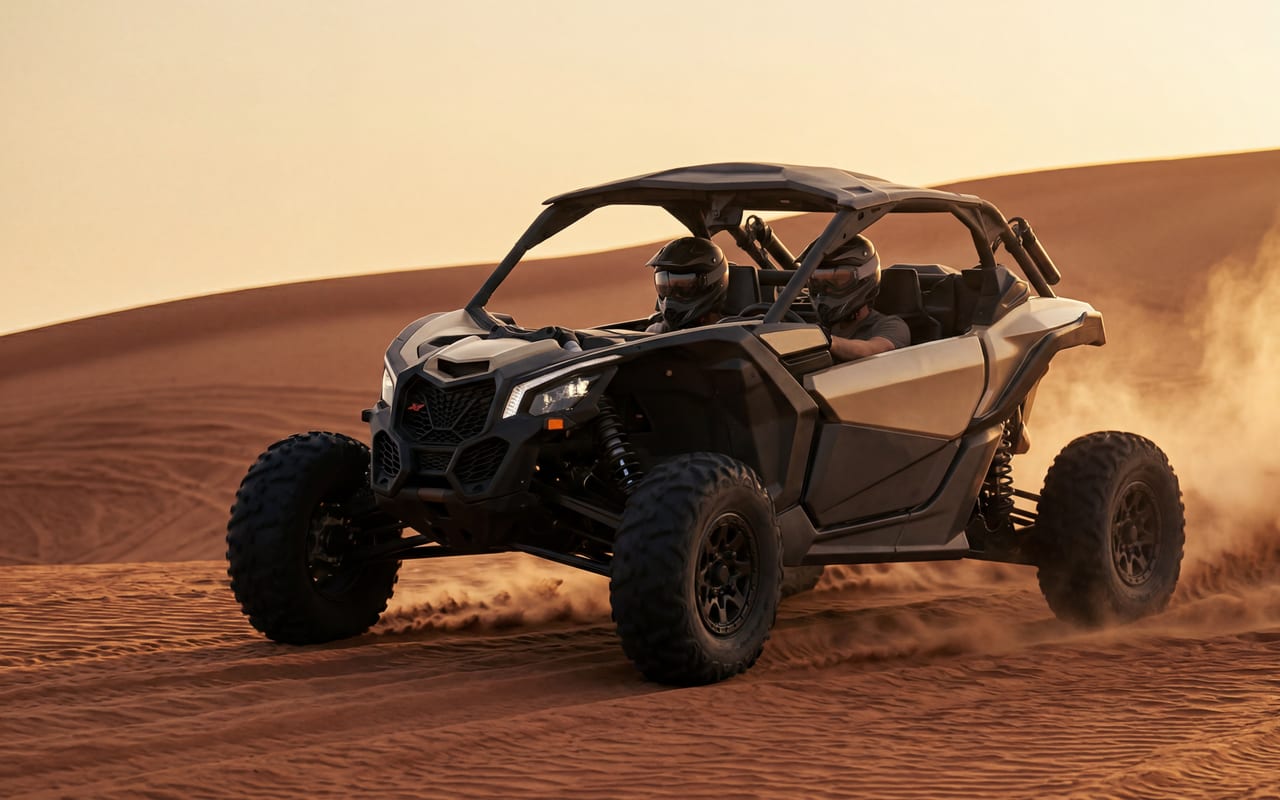
Check whether the listing clearly separates riding time from other parts of the experience. Also look for any conditions that affect who can take part. If something is unclear, ask before confirming rather than relying on assumptions.
When comparing ATV Dubai Desert with another option, put the details side by side. A slightly shorter ride with clearer safety information may be a better fit than a longer one with vague terms. Practical clarity usually beats impressive wording.
Finally, keep confirmation messages and written details together. Having the meeting point, arrival time and included items in one place makes the day easier. A good booking decision is less about finding the most dramatic description and more about knowing exactly what you are agreeing to.